The holidays can be both exciting and challenging—a mix of magic, mayhem, and maybe a little too much family togetherness. Whether you’re still knee-deep in pre-break madness (searching for wrapping paper and surviving school concerts) or officially on holiday break and wondering why “break” doesn’t feel all that relaxing, there are plenty of ways to help your family unwind using executive functioning strategies. Deep breaths. You can do this!
1. Double Check Your Kid’s Lunch Box
I once found a discarded six day old banana peel halfway into the holiday break. Someone got a bonus gift that year—a new lunch box. Eww.
2. Think About Structure, Not Schedules
When the school routine disappears, so does a lot of the built-in structure that keeps everyone grounded. Instead of enforcing strict bedtimes or wake-up times, think about keeping anchors—small, predictable points in the day.
- Morning anchor: breakfast together or a walk around the block.
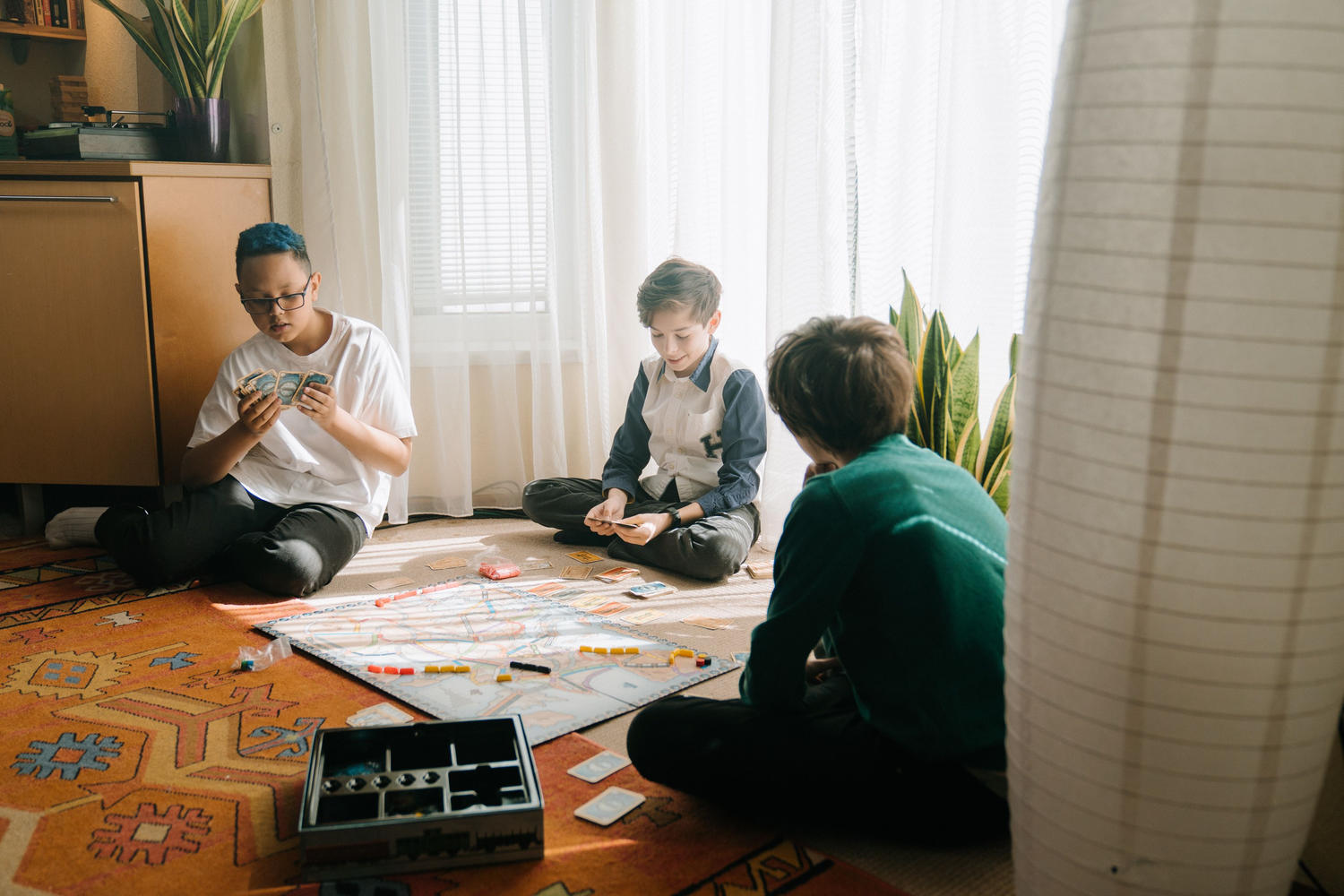
- Afternoon anchor: screen-free time, a board game, or even folding laundry with music blasting.
These anchors give everyone’s brain a sense of rhythm without the rigidity of school life.
3. Make Rest a Family Value
Kids (and parents) often need permission to slow down—so make rest part of your family’s culture. Try calling it a “recharge hour” each day. Everyone does something quiet that fills their tank—reading, drawing, napping, or doing absolutely nothing. It’s not a punishment; it’s maintenance.
You can even sneak in some executive functioning skill-building by helping your kids plan their recharge time. (“What’s one thing you want to do today that helps you feel calm?”) Bonus: you get your own break, guilt-free.
4. Embrace the Magic of the Mini Plan
Too many families go into break with either zero plans or a five-page itinerary. Both can backfire. Instead, try a mini plan—a quick, one-sentence goal for the day that keeps the mood balanced:
- “We’re going to do one fun thing and one helpful thing today.”
- “We’re staying cozy today—only pj pants allowed.”
These small intentions help manage expectations and keep the peace when everyone’s energy (and patience) starts to run low.
5. Declutter the Mental (and Physical) Space
Holiday break is a perfect time for a family reset, but not the overwhelming, tear-your-closet-apart kind. Start small: one drawer, one pile, one junk corner. Set a timer for 20 minutes and celebrate being done, not perfect. Kids learn goal-setting and task initiation, you get one less pile to trip over, and everyone feels a little more in control.
6. Create Transition Traditions
Just like it takes kids time to warm up to break, it takes time to shift back into school mode. Use the last few days of break to gently ease back in. Have your kids check their backpacks, pick their first-day outfits, or set a fun countdown. You’re not rushing the return—you’re rehearsing it, which builds planning and self-regulation skills.
7. Remember: The Goal Isn’t Perfection—It’s Presence
There will be meltdowns. There will be moments where you question whether “family togetherness” was ever a good idea. But when you lead with empathy and structure—two cornerstones of executive functioning—you help your family learn how to rest, reset, and reconnect.
So whether you’re still in the pre-break chaos or blissfully nestled on the couch with leftovers and a warm blanket, remember: the best way to help your family recharge is to model it yourself. Your calm sets the tone for their calm—even if it’s just calm(ish).